The first rule of wildlife travel
Wildlife sightings are never guaranteed. A country with rich biodiversity still asks for patience, timing, habitat, weather, and luck.
The better question is not 'Where will I definitely see everything?' It is 'Which ecosystems give me the best chance of seeing the kinds of wildlife I care about most?'
Animals travelers most often hope to see
Monkeys
Costa Rica offers several monkey species, but where and how you travel changes your odds.
Sloths
One of the country's most requested sightings, often tied to slower nature and wildlife routes rather than rushed sightseeing.
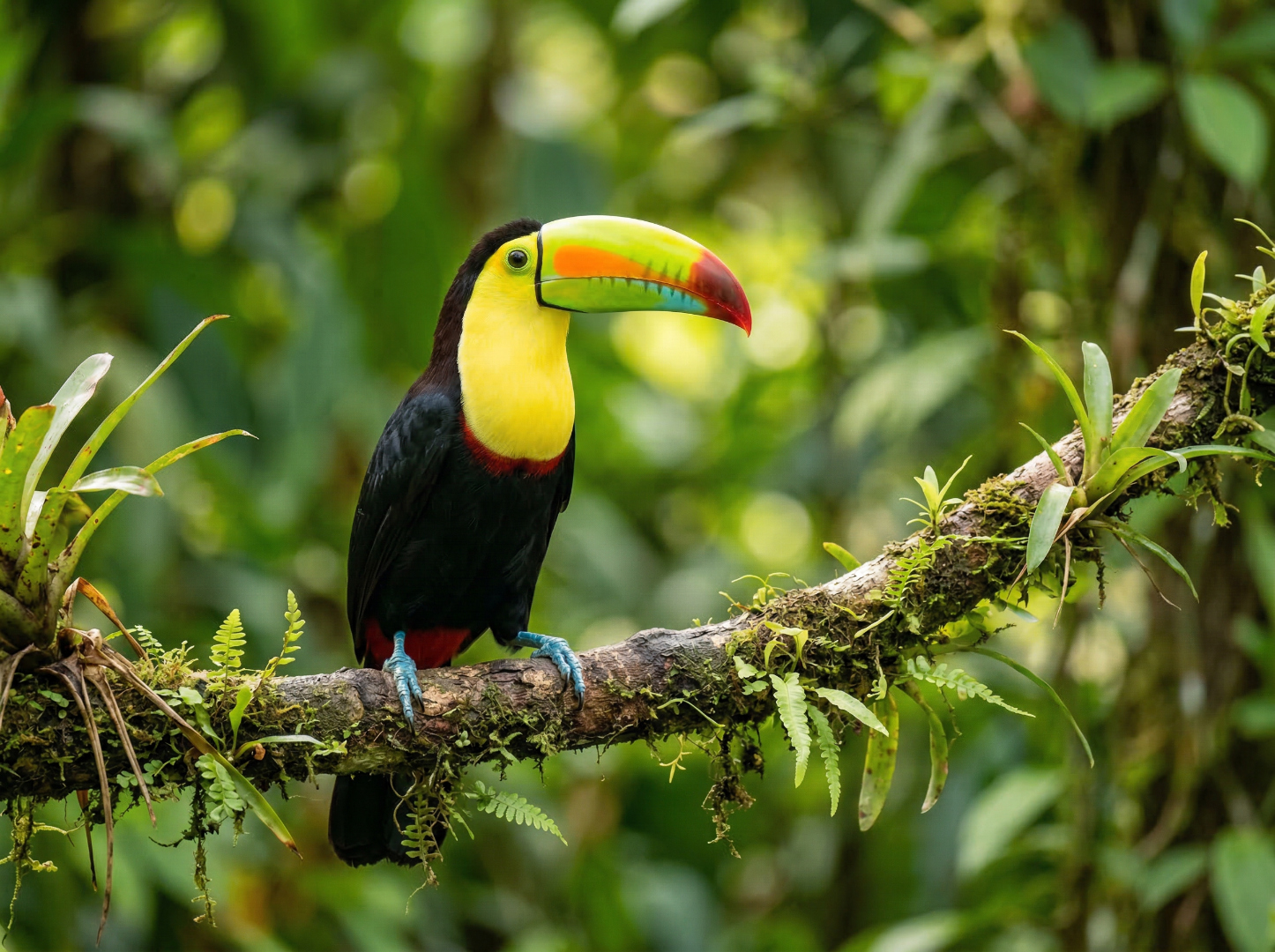
Toucans and tropical birds
Birdwatching rewards patience, habitat choice, and realistic expectations more than pure destination hype.
Macaws, sea turtles, crocodiles, reef life
Different species belong to very different ecosystems, which is why one trip cannot automatically promise every animal category.
How regions shape wildlife chances
Where this site connects to real wildlife experiences
At practical booking level, the site's strongest wildlife connection is in Guanacaste and broader nature-day planning rather than in countrywide wildlife claims. That is why pages like nature and wildlife tours, El Jobo local tours, Llanos de Cortez and Rainforest Tour, and La Fortuna day trips matter more than a generic wildlife wish list.
If Guanacaste is your real base, use those pages to align wildlife hopes with routes that actually fit the trip.
Good wildlife-planning habits
- Build in early mornings where possible.
- Accept that some species are much easier to see than others.
- Do not promise children or first-timers every headline animal on one route.
- Choose the ecosystem that matches your wildlife goal rather than choosing a destination only by popularity.
Need help turning this into a real trip?
If you want a Guanacaste trip with a stronger wildlife day mixed in, we can help you compare the nature-focused options on this site and see which one adds something different to the trip.